Contact details – Dover campus – TEL: +65 6775 5344
Email school

UWC South East Asia (UWC SEA) became a full member of the UWC movement in 1975. In 1998, the college expanded to include a younger years programme accepting students from 4 years old to become a K-12 school. In 2011, a second campus opened, making UWC SEA the largest of the UWC colleges, with students from more than 100 countries and more than 90 languages spoken. UWC SEA offers a K-12 holistic and concept-based curriculum. The International Baccalaureate (IB) is offered in Grades 11-12, and applications are open for day students and residential boarding from Grade 8.
Contact details – Dover campus – TEL: +65 6775 5344
Email schoolContact details – East campus – TEL: +65 6305 5344
Email schoolIn the final two years, students follow the International Baccalaureate Diploma Programme (IBDP), which is made up of three core components and six subject groups.
Average class size: 22
* subject is offered at Dover Campus only
IB Systems Transformation: Leadership for Change is an innovative new course, carefully designed by passionate and experienced educators in partnership with the IB. It is for students looking for further challenges and authentic, project-based experiences in their learning journey. This course will also help shift the IB Diploma worldwide towards a more flexible model with more real-world learning, more authentic assessment and greater student agency.
The Systems Transformation Pathway focuses on three areas:
Through project-based learning, students explore how to connect and lead others; how to understand and navigate complex systems; and how to be resilient and adaptable in the face of challenges and failures. There are five distinct areas in which skills and capabilities will be taught and assessed in this course. These are: Project and Change Management; Leadership; Systems Thinking; Design Thinking; and Changemaker Mindsets.
The IB Systems Transformation: Leadership for Change is assessed entirely by coursework, balanced over the two years of the programme.
All IBDP students at UWC complete a co-curricular programme called Creativity, Activity and Service (CAS) – an integral part of the IB qualification. Students get the opportunity to choose a physical, a creative and a social service activity.
Students are involved in CAS for the whole of their IB Diploma and ideally spend 3-4 hours a week engaged in an extracurricular pursuit. Many experiences involve a benefit to the community and encourage students to consider global issues and the ethical outcomes of their participation.
Bádminton
Basketball
Escalada
Cricket
Cross Country
Fútbol
Golf
Gimnasia
Hockey
Netball
Rugby
Velerismo
Handball
Natación
Tenis
Rugby de toque
Atletismo
Frisbee definitivo
Voleibol
Drama Productions
Instrumental Teaching Programme
Ensembles
Choirs
Various Clubs
Student-led publications
Alumni Council
Ambassadors
Global Concerns Executives
Initiative for Peace
Model United Nations
National Youth Achievement Award
Round Square Committees
Sports Councils
Student Councils
Dance
Cuidado de personas mayores
Personas con discapacidad
Apoyo al aprendizaje
Programas para niños desfavorecidos
Trabajadoras domésticas extranjeras
Adultos en cuidados paliativos a largo plazo
Preocupaciones globales
Iniciativa para la Paz
Modelo de las Naciones Unidas
Premio Nacional al Logro Juvenil
Comités de Cuadrados Redondos
Consejos Deportivos
Consejos Estudiantiles
Publicaciones dirigidas por estudiantes
Iniciativas de Campus Verde
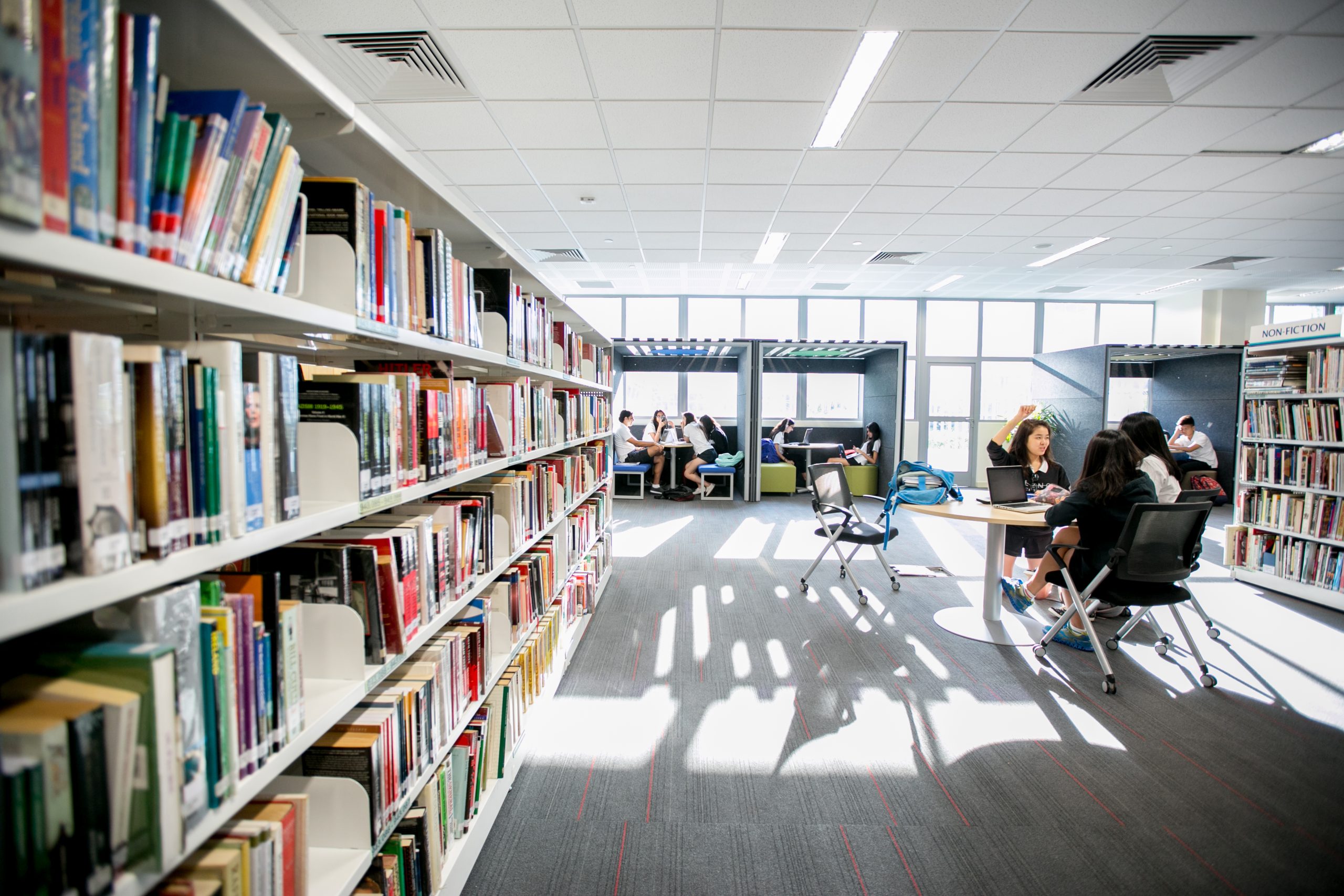
UWC SEA campuses offer exceptional facilities suited to the hands-on and technologically integrated learning programme. Equipped with state-of-the-art technology and tools, both campuses provide an environment to support all five elements of our learning programme.
Parques infantiles (apropiados para la edad)
Teatros
Salas de música
Estudios multimedia y de grabación
Bibliotecas
Laboratorio Comunitario (Este) y Centro de Ideas (Dover)
Piscinas olímpicas al aire libre
Piscinas infantiles
Gimnasios
Rocódromos
Cursos de cuerdas
Campos de fútbol
Baloncesto
Canchas de tenis
Estudios de danza
Centros de arte
Centros de bienestar
Centros médicos y enfermerías
Pensiones Residenciales
Cantinas y cafeterías
Instalaciones del jardín
Salas de megafonía
Dover Campus has a capacity for 185 students in its two residential houses. East Campus (Tampines House) has a capacity for 155 students in a single residence. The gender split (50/50) across both campuses is maintained wherever possible, and approximately 70% of the students are in their IB Diploma years. Dover residents are in rooms of four with a shared ensuite bathroom. East residents in Grades 8-9 are in rooms of four, Grades 10-11 are in rooms of two, and Grade 12 residents have a single room with a sink. Shared, single-gender bathroom facilities are located at opposite ends of Tampines House.
The school supports students’ academic and emotional well-being through:
You can apply through your UWC national committee (NC). Direct applications are also possible. For more information about UWC South East Asia, visit the website.